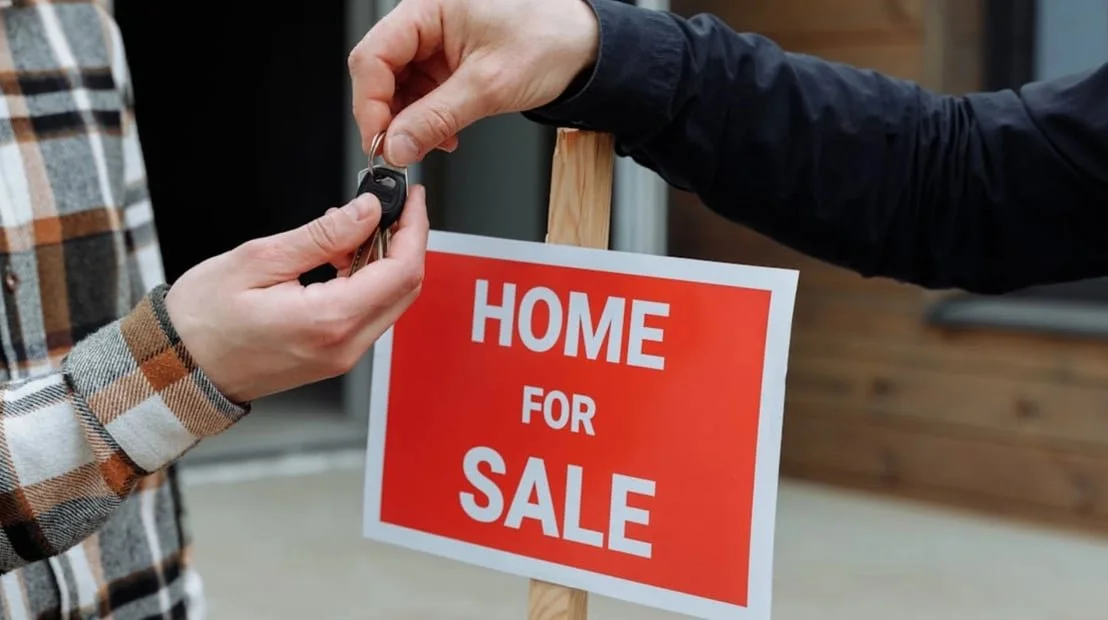
Selling a House in a Slow Market in DC
Selling your house in DC in a slow real estate market can feel frustrating. Fewer buyers are searching, homes stay listed longer, and price reductions are common. If you need to sell your house in a slow market, you must use the right strategy. With smart pricing, strong marketing, and simple improvements, you can still attract serious buyers and close a successful sale.
Understanding how to sell your house in a slow real estate market will help you avoid costly mistakes and long delays.
Understand Your Local Real Estate Market
Before you list your home, study the local housing market. A slow market usually means there are more homes for sale than buyers. This gives buyers more options and more power to negotiate.
Look at recently sold homes in your area. Compare their listing prices, final sale prices, and how long they stayed on the market. This will help you set a realistic price. A local real estate agent can also provide helpful data about current trends, buyer demand, and competition.
When you understand the market conditions, you can make informed decisions and avoid overpricing your property.
Price Your Home Competitively From the Start
Correct pricing is one of the most important steps when selling a house in a slow market. If you price your home too high, buyers may ignore it. The longer your home sits unsold, the more buyers may assume something is wrong.
Set a competitive price based on comparable homes in your area. In a slow housing market, pricing slightly below similar listings can attract more attention. This may even lead to multiple offers.
Avoid testing the market with a high price. The first few weeks after listing are critical. A well priced home can generate early interest and serious inquiries.
Improve Curb Appeal and First Impressions
When buyers have many choices, your home must stand out. Strong curb appeal can make a big difference. Mow the lawn, trim bushes, clean the driveway, and add simple landscaping touches. A freshly painted front door and clean windows can also improve first impressions.
Inside the house, remove clutter and personal items. Clean every room thoroughly, including kitchens and bathrooms. Neutral colors make spaces look brighter and more inviting. If possible, rearrange furniture to create open and spacious rooms.
High quality photos are essential when selling your house in a slow market. Most buyers begin their search online. Clear, bright images can encourage more showings.
Make Smart and Affordable Repairs
Buyers in a slow real estate market may be less willing to overlook problems. Fix small issues before listing your home. Repair leaking faucets, cracked tiles, damaged walls, and broken fixtures. Make sure all lights and appliances work properly.
You do not need major renovations in most cases. Focus on affordable updates that add value. Fresh paint, updated light fixtures, and new cabinet hardware can modernize your home without a large investment.
A well maintained home gives buyers confidence and reduces the chances of deal delays.
Use Strong Marketing to Reach More Buyers
A solid marketing plan is key when selling a house in a slow housing market. Your listing description should clearly highlight your home’s best features. Mention upgrades, storage space, energy efficient features, and nearby schools or amenities.
Make sure your home is listed on major real estate websites. Social media promotion can also help increase visibility. The more exposure your home gets, the better your chances of finding the right buyer.
If your home is not getting enough interest, review your strategy. You may need to update the photos, improve the description, or adjust the price.
Offer Incentives to Attract Buyers
In a slow market, buyer incentives can help your home stand out. Consider offering to cover part of the closing costs. You can also provide a home warranty for added peace of mind.
Flexibility with the closing date can also make your offer more attractive. Some buyers may need extra time, while others may want a fast closing. Being flexible can help you secure a deal.
These incentives can make buyers feel more comfortable and motivated to move forward.
Stay Patient and Open to Negotiation
Selling your house in DC in a slow real estate market often takes more time. Be prepared for negotiations and possible counteroffers. Even if an offer seems low, it can open the door to further discussion.
Stay calm and focus on your goal. A reasonable compromise may help you close the sale faster. Working closely with your real estate agent can help you respond strategically to offers and requests.
Patience and flexibility are important when buyer demand is low.
Conclusion
Learning how to sell your house in DC in a slow market requires preparation, realistic pricing, and strong marketing. By improving curb appeal, making simple repairs, and offering buyer incentives, you can attract serious buyers even when the housing market is slow.
Price your home competitively, present it in the best possible condition, and stay open to negotiation. With the right approach, you can successfully sell your house in a slow real estate market and move forward with confidence.